Author name: Pick and Drop Lift

carpooling
Car Lift Guides

What is Car Pooling? Working, Benefits & Companies

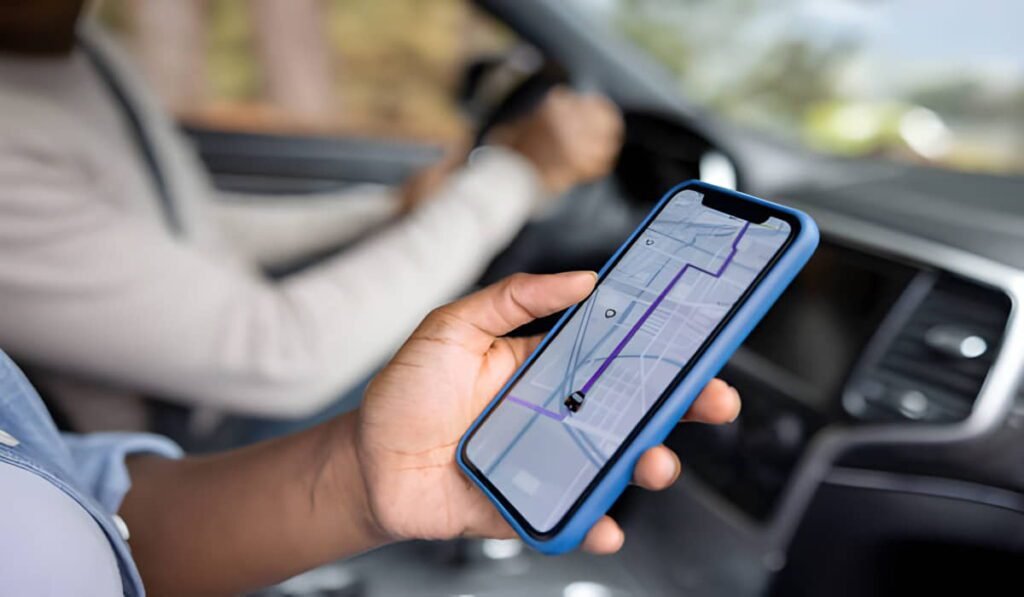
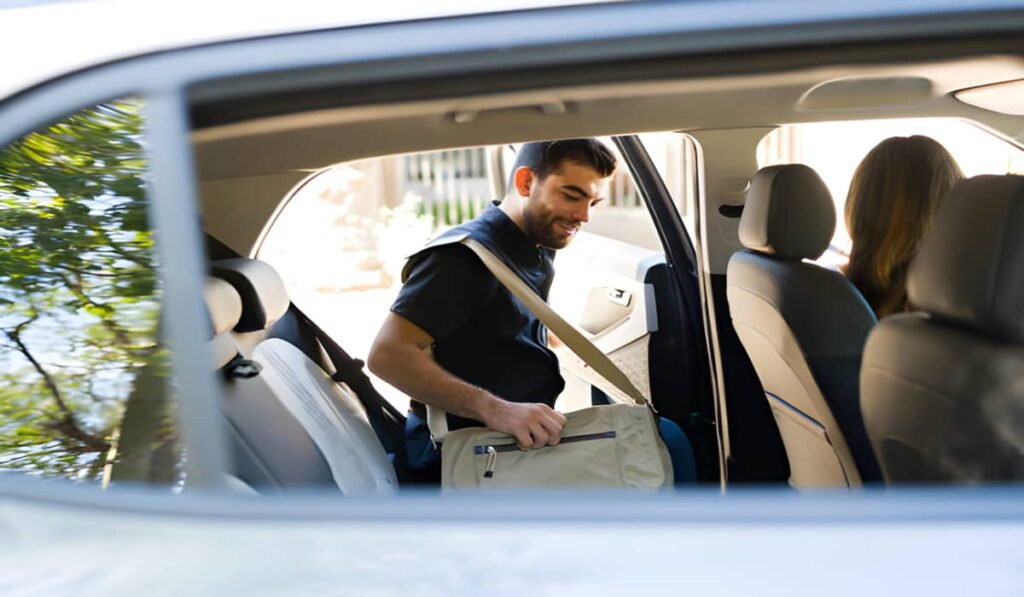
Car pooling is when multiple people share one car to travel to the same place. Instead of driving separate vehicles, they ride together to work, school, or events. This saves money on gas, reduces traffic, and helps the environment by putting fewer cars on the road. Imagine this: Four coworkers live in the same neighborhood in Dubai and commute to the same office building every day. Instead of driving four separate cars, they take turns driving a carpool service from Dubai to Abu Dhabi. That’s carpooling in action. How Car Pooling Works The basic idea is simple. You find people going to the same place at the same time. You agree to share rides. Everyone takes turns driving, or one person drives while others chip in for gas. Some groups rotate weekly. Others split it by days. Monday might be Sarah’s turn, Tuesday is Mike’s, and so on. The schedule depends on what works for everyone. Types of Car Pooling Family car pools are common for school drop-offs. Parents take turns driving kids to school. One parent handles Monday and Wednesday, another takes Tuesday and Thursday. Friday rotates between them. Work car pools connect coworkers or people working in the same area. They meet at a central spot or pick each other up from home. The commute becomes social time instead of solo driving. Event car pooling happens for concerts, games, or parties. Friends coordinate rides instead of driving separately. It makes parking easier and keeps everyone together. Money Savings Gas isn’t cheap. Driving alone to work costs $150 to $300 monthly in fuel alone. Car pooling cuts this cost by half or more, depending on how many people share. Wear and tear on your car drops too. Fewer trips mean less maintenance. Your tires, brakes, and oil last longer. Some insurance companies even offer discounts for car poolers. Parking fees add up in cities. Splitting one parking spot between four people saves everyone money. That $20 daily parking fee becomes $5 per person. Environmental Benefits Cars produce tons of pollution. One car creates about 4.6 metric tons of carbon dioxide yearly. Four people in one car means three fewer cars polluting the air. Traffic congestion drops when fewer cars are on the road. Less idling in traffic means less wasted fuel and cleaner air. Your city breathes easier. Social Perks Driving alone gets boring. Car pooling turns commute time into friend time. You chat, laugh, and catch up. Some people form real friendships through their car pool groups. The ride feels shorter when you’re talking. Twenty minutes of conversation beats twenty minutes of staring at brake lights. Some groups listen to podcasts or audiobooks together. Finding Car Pool Partners Start with coworkers. Ask around the office who lives near you. Check company bulletin boards or email groups. Many workplaces have car pool matching programs. Schools often have parent groups on social media. Post about car pooling and see who responds. Neighbors might jump at the chance to share rides. Apps and websites connect car poolers too. These platforms match people based on routes and schedules. They handle the coordination for you. Rules That Help Set clear expectations from the start. Agree on pickup times and stick to them. Nobody likes waiting in the cold because someone’s always late. Decide on music and temperature preferences. Some people love loud music, others want quiet. Talk it out before problems start. Split costs fairly. Track gas expenses and parking fees. Some groups use apps to split bills automatically. Others keep it simple with monthly cash payments. Common Challenges Schedules change. Someone gets sick or needs to work late. Have backup plans ready. Keep emergency contact numbers handy. Personal space matters. Not everyone wants to chat at 7 AM. Respect quiet time when people need it. Read the room. Different driving styles can clash. Some people drive fast, others take it slow. Agree on comfortable speeds and routes everyone likes. Making It Work Long-Term Communication keeps car pools running smoothly. Text the group about delays or changes. Don’t leave people guessing where you are. Be reliable. Show up on time and follow through on your driving days. Your car pool partners count on you. Keep the car clean when it’s your turn to drive. Nobody wants to sit in yesterday’s fast food wrappers. Basic courtesy goes a long way. Why People Love It Car pooling makes life easier. You save money, help the planet, and maybe make friends. The commute stops feeling like wasted time. More people are trying it every year. Gas prices keep rising, traffic gets worse, and parking becomes harder to find. Car pooling solves all three problems at once.

car lift legal in uae
Guides

Is a Car Lift Illegal in the UAE? Things to Know

Carpooling or giving someone a ride in the UAE is legal as long as you don’t charge money for it. Free rides to friends, coworkers, or family members are perfectly fine. The moment you accept payment, you’re breaking the law and could face heavy fines. The UAE has strict rules about who can transport passengers for money. Only licensed taxi drivers and ride-hailing services like Uber and Careem can legally charge for rides. Regular people can’t turn their cars into mini taxis. What Counts as Illegal Let’s make this crystal clear. You can’t: The government sees this as illegal taxi operation. They take it seriously because it affects licensed drivers who pay for permits and follow regulations. The Penalties Are Steep Getting caught doing paid carpooling hurts your wallet badly. Fines range from AED 10,000 to AED 50,000. That’s roughly $2,700 to $13,600 in US dollars. Your car might get impounded for weeks. You’ll pay storage fees on top of the fine. Some people face license suspension too. One ride for money can cost you months of trouble. Police run sting operations at malls, metro stations, and airports. Undercover officers pose as passengers looking for cheap rides. They catch people who offer paid lifts. What’s Allowed Free carpooling works perfectly fine. Coworkers sharing rides to the office? No problem. Friends splitting a trip to the beach? Totally legal. Taking your neighbor to the grocery store? Go ahead. The key word is “free.” No money can change hands. Not even to cover gas or parking fees on a regular basis. Many companies in Dubai and Abu Dhabi organize official carpool programs like Pick and Drop Lift. Employees share rides to save money and help the environment. These are legal because nobody pays the driver. Services Offered by Pick and Drop Lift: Why These Rules Exist The UAE protects its licensed transportation industry. Taxi drivers invest thousands of dirhams in permits and vehicle requirements. They follow strict rules about safety and insurance. Unlicensed drivers don’t have proper commercial insurance. If an accident happens during a paid ride, insurance might not cover it. Passengers and drivers both face risks. The government also worries about safety. Licensed drivers go through background checks and training. Random people offering rides might not be safe. How People Get Caught Social media posts are the biggest trap. People advertise rides on Facebook groups or WhatsApp. “Going to Abu Dhabi tomorrow, seats available, 50 dirhams per person.” Police watch these groups. Someone reports you to authorities. Maybe a passenger got angry, or a taxi driver noticed you taking customers. One complaint triggers an investigation. Airport and metro station pickups look suspicious. Officers watch for people meeting strangers and accepting money before driving off. Safe Alternatives Use official ride-hailing apps like Uber, Careem, or Hala. They’re legal, insured, and regulated. Prices are reasonable and you know what you’re paying upfront. Take public transport. Dubai Metro, buses, and trams cover most areas. They’re cheap and reliable. A metro ride costs way less than risking a fine. Join company carpool programs if your workplace offers them. These follow legal guidelines and save everyone money on fuel and parking. The Gray Areas What about occasionally helping a friend and they buy you coffee later? Technically fine if it’s genuine friendship and not a regular arrangement. The law targets people running businesses, not friends helping friends. Splitting gas costs once in a while with a regular carpool buddy? Usually okay if it’s truly sharing expenses, not profit. But don’t make it a habit or pattern. Real Cases Courts have prosecuted dozens of cases. In 2022, authorities caught multiple people running carpool schemes through social media. Each paid between AED 15,000 and AED 30,000 in fines. One man lost his license for six months after repeatedly charging passengers for airport rides. Another had his car impounded for 30 days, costing him work and money. Bottom Line Free rides are fine. Paid rides are illegal. The line is clear and the consequences are harsh. Don’t risk your money, license, and car for a few dirhams. Stick to legal options. Your wallet and peace of mind will thank you.

sharjah to fujairah distance
Guides

Sharjah to Fujairah Distance: 4 Best Ways to Travel

The distance from Sharjah to Fujairah is roughly 115 kilometers and takes about 90 minutes by car. You can travel by private car, bus, taxi, or car lift service. Car lift Sharjah to Fujairah is the best option because it’s affordable, comfortable, and connects you with verified drivers heading the same route. And I highly recommend Pick and Drop Lift for any type of car lift services in the UAE. Getting from Sharjah to Fujairah isn’t complicated. The route cuts through the Hajar Mountains and offers great views. But choosing the right transport makes your trip better. Why Car Lift is Your Best Bet Car lift services connect passengers with drivers making the same journey. It’s like carpooling but organized through an app or website. You split fuel costs, which makes it cheaper than taxis. Safety isn’t an issue. Most platforms verify drivers and let you check reviews. You know who you’re riding with before you book. Plus, you’re not traveling alone in a stranger’s car – other passengers often join. The comfort level beats buses easily. You get picked up near your location and dropped close to your destination. No waiting at bus stations or dealing with multiple stops. Method 1: Private Car Driving your own car gives you total freedom. Leave whenever you want. Stop for photos at the mountains. Take detours to explore. The route is simple. Take E102 (Sharjah-Kalba Road) and follow signs. The road is well-maintained and safe. Fuel costs run about 30-40 AED for a round trip. Parking in Fujairah is free at most beaches and public areas. If you’re visiting malls or hotels, they have dedicated parking too. The downside? You’re stuck driving back. If you want to relax at the beach or go hiking, driving back tired isn’t fun. Method 2: Intercity Bus Sharjah has bus services to Fujairah through the public transport network. Buses leave from Al Jubail Bus Station several times daily. The fare is cheap – around 25 AED one way. Buses are air-conditioned and reasonably comfortable. They make a few stops along the way, so the journey takes closer to 2 hours. You’ll need to check schedules because buses don’t run every hour. The problem? Limited timing. If you miss your bus, you wait. Getting to the bus station in Sharjah and from the Fujairah bus station to your final spot needs extra planning. Method 3: Taxi Taxis offer door-to-door service without the hassle. Book through apps like Careem or Uber, or grab a regular taxi from the street. The trip costs 150-200 AED, depending on your exact locations. You travel in comfort with AC and music. The driver knows the route. You can relax, sleep, or work on your phone. No stress about navigation or parking. But taxis are expensive, especially if you’re traveling alone. For a family or group, the cost becomes more reasonable when split. Method 4: Car Lift Services Back to why this wins. Car lift platforms list drivers going from Sharjah to Fujairah. You book a seat, pay a share of the costs (usually 40-60 AED), and travel comfortably. It’s social too. You might meet interesting people during the ride. Many regular commuters use car lifts and build friendly connections. Some drivers make the trip regularly for work. Environmental angle matters here. Fewer cars on the road mean less pollution. You’re doing your part while saving money. Tips for Your Journey Start early to avoid afternoon heat, especially in summer. The mountains get hot, and your AC works harder. Morning drives are cooler and more pleasant. Carry water bottles. The mountain roads have few stops. Stay hydrated, especially if you’re visiting Fujairah’s beaches afterward. Check your route before leaving. Google Maps works well in the UAE. Download offline maps just in case you lose signal in the mountains. Making Your Choice Your budget and comfort preferences decide your transport. Solo travelers on a budget? Car lift wins. Families with kids? Private car makes sense. No car and tight schedule? Taxi works best. Fujairah’s beaches, forts, and mountain scenery are worth the trip. Getting there shouldn’t be stressful or expensive. Pick what fits your needs and go.

car lift low price uae
Guides

Are Car Lift Services Cheaper in UAE? What’s the Reality

Car lift services in the UAE are cheaper than many Western countries but more expensive than South Asian nations. A typical ride costs AED 10-30 for short distances. Prices vary based on the service, time of day, and route. Compared to owning a car in Dubai, lifts save money. Actual Costs Breakdown A 10-kilometer ride in Dubai costs around AED 25-35 on Uber or Careem. That’s about $7-10 USD. The same distance in New York City runs $20-30. London charges even more. Short trips within neighborhoods start at AED 12. Airport rides depend on your location. From Dubai Marina to the airport? Expect AED 80-100. That’s still cheaper than parking fees at the airport for a week. Peak hours cost more. Friday nights and weekend evenings see price surges. A ride that normally costs AED 20 might jump to AED 35. Plan trips during off-peak times to save. Compared to Car Ownership Owning a car in the UAE isn’t cheap. Monthly car payments, insurance, fuel, parking, and maintenance add up fast. Let’s do the math. A decent car loan runs AED 1,500-2,000 monthly. Insurance costs AED 200-400. Fuel for daily commutes? Another AED 300-500. Parking in Dubai Marina or Downtown? AED 300-500 monthly. Maintenance and registration? AED 200 monthly average. Total monthly cost: AED 2,500-3,600. That’s $680-980 USD. If you use lifts twice daily for work, you spend about AED 40-60 daily. Monthly total: AED 1,200-1,800. You save over AED 1,000 monthly without a car. When Lifts Make Sense Single people without kids benefit most. Your schedule is flexible. You don’t haul groceries for a family of five. Weekend plans don’t involve multiple stops. People living near Metro stations save even more. Combine Metro rides with occasional lifts. Your monthly transport costs drop to AED 500-800. Expats staying short-term shouldn’t buy cars. The hassle isn’t worth it. Use lifts and rent cars for road trips. When Cars Win Families need cars. School runs, grocery shopping, weekend outings, lifts get expensive fast. Four people taking lifts everywhere spend more than one car costs. Living far from public transport? You’ll need a car. Areas like Arabian Ranches or Dubai Sports City lack Metro access. Daily lift costs will hurt your wallet. People who travel for work need cars too. Multiple client meetings daily make lifts impractical and costly. Comparing to Other Countries UAE lift prices sit in the middle globally. They’re cheaper than Western Europe, North America, and Australia. A ride in London or Sydney costs twice as much. But South Asian countries beat UAE prices. A similar ride in India or Pakistan costs one-third the price. Labor costs drive this difference. Within the Middle East, UAE prices are competitive. Saudi Arabia charges similar rates. Qatar costs slightly more. Money Saving Tips Use promo codes religiously. Both Careem and Uber offer regular discounts. New users get huge first-ride discounts. Share rides when possible. Careem’s shared option cuts costs by 30-40%. You’ll wait longer and make stops, but you save money. Book in advance for airport trips. Scheduled rides often cost less than last-minute bookings. You avoid surge pricing too. Walk short distances. That 5-minute lift adds up over time. Your health and wallet both benefit. Use public buses for fixed routes. RTA buses cost AED 3-7. Combine them with short lifts for the best savings. The Taxi Option Regular RTA taxis often beat app-based services. No surge pricing exists. Rates stay fixed regardless of demand. Taxis charge AED 12 starting fare during the day. AED 2.82 per kilometer after that. For longer trips, taxis frequently cost less than Uber or Careem. Hail taxis on the street or book through the RTA app. You get reliable service at fair prices. Final Words UAE car lifts aren’t the world’s cheapest, but they’re good value. For single people or couples, lifts beat owning a car financially. Families and people in remote areas need cars. Your lifestyle determines the best choice. Calculate your actual usage before deciding. Track lift spending for a month. Compare it to car ownership costs. The numbers don’t lie. Most people overestimate how much they drive. They underestimate car costs. Run the numbers honestly. You might be surprised.

dubai to abu dhabi drive and routes
Car Lift Guides

Dubai to Abu Dhabi Drive | Best Routes & Tips For You

The Dubai to Abu Dhabi drive takes about 90 minutes via Sheikh Zayed Road (E11). It’s a straight, well-maintained highway covering roughly 150 kilometers. The route is simple to follow, with clear signs, minimal traffic outside rush hours, and beautiful desert views along the way. Driving between these two cities is something thousands of people do daily. Whether you’re commuting for work, visiting family, or exploring the UAE, this route is your main connection. The Main Route: E11 Highway Sheikh Zayed Road, also called E11, is your best bet. It’s the most direct path and handles the bulk of traffic between both cities. The highway is smooth, wide, and built for speed. Exit Dubai heading southwest on E11. Stay on this road the entire way. You’ll pass through several areas before reaching Abu Dhabi. Signs appear regularly, so getting lost is nearly impossible. The speed limit is 120-140 km/h depending on the section. Speed cameras are everywhere. Stick to the limit or you’ll get fined automatically. Alternative Route: E311 E311 offers a less crowded option. This route runs parallel to E11 but slightly inland. It passes through areas like Arabian Ranches and Dubai World Central. The drive takes about the same time, sometimes a bit longer. Choose this route if E11 has accidents or heavy traffic. Google Maps will usually suggest it when needed. Both highways eventually merge before you enter Abu Dhabi proper. Best Times to Drive Early morning before 7 AM is perfect. Roads are empty and the sunrise over the desert looks gorgeous. You’ll reach Abu Dhabi feeling fresh, not frustrated. Midday between 10 AM and 2 PM works well too. Most commuters are already at work. Traffic flows smoothly during these hours. Avoid 7-9 AM and 5-7 PM like the plague. Rush hour turns a 90-minute drive into a two-hour crawl. Weekends see less congestion overall. Consider Car Lift Services Not everyone wants to drive. Maybe you don’t have a car. Maybe you’re tired. Maybe you want to work during the trip instead of watching the road. Car lift services solve this problem neatly. You share a ride with others going the same direction. It’s cheaper than taxis and more comfortable than buses. These services pick you up from your location and drop you exactly where you need to go. No stopping at multiple bus stations. No lugging bags through transfers. If you’re interested, check out our car lift from Dubai to Abu Dhabi services. They run throughout the day, and you can book online in minutes. Prices are reasonable and the vehicles are usually clean and comfortable. Fuel and Rest Stops ENOC and ADNOC stations line the highway. You’ll spot them every 20-30 kilometers. Most have convenience stores, clean bathrooms, and coffee shops. The halfway point has larger rest areas with restaurants. Stop here if you need a proper break or meal. The facilities are modern and well-maintained. Fill up before leaving if your tank is below half. Running out of fuel on the highway creates unnecessary stress. What You’ll See The first 30 minutes shows urban sprawl giving way to desert. Palm tree plantations appear on both sides. You’ll see camel farms occasionally. Burj Khalifa shrinks in your rearview mirror. The landscape flattens out completely. Sand dunes roll in the distance under the massive sky. As you approach Abu Dhabi, development returns. The skyline grows ahead of you, dominated by the city’s distinctive towers. Things to Remember Keep your driver’s license and car registration handy. Police checkpoints happen sometimes, though they’re rare. Having documents ready saves time. Salik toll gates charge automatically if you have a tag. Rental cars usually include this. You’ll pass through at least two tolls each way. Phone signal stays strong the entire route. 4G and 5G coverage is excellent. You can stream music or take calls without dropouts. Parking in Abu Dhabi Parking is easier than Dubai. Most malls offer free parking for hours. Street parking uses the Mawaqif system, pay via app or SMS. Government buildings and some beaches have dedicated lots. Arrive early on weekends as popular spots fill up fast. Final Thoughts This drive is straightforward and safe. The roads are excellent. The views are pleasant. Traffic is manageable if you time it right. Whether you drive yourself or use a car lift service, getting between Dubai and Abu Dhabi is easy.

ladies car lift safe in dubai
Car Lift Guides

Is Car Lift for Ladies Safe in Dubai? YES or NO

Car lifts for ladies in Dubai are generally safe due to strict regulations, verified driver screening, and in-app safety features. Dubai’s low crime rate and government oversight make ridesharing safer than in many other cities. However, basic precautions should still be followed for maximum safety. Dubai takes women’s safety seriously. The government monitors rideshare companies closely. One of the best companies to hire for ladies’ car lifts is Pick and Drop Lift. Why Dubai is Different Dubai has one of the world’s lowest crime rates. The police respond quickly to any incidents. Security cameras cover most areas. This creates a safer environment overall. The government requires all rideshare drivers to pass background checks. They need clean records and special licenses. Companies can’t just let anyone drive. Women-Only Ride Options Several apps in Dubai offer female-only rides. Careem has a service where only women drivers pick up women passengers. This gives extra comfort to those who want it. These services cost slightly more but provide peace of mind. Many working women use them daily without issues. Built-In Safety Features Modern rideshare apps come packed with safety tools. You can share your trip details with family or friends. They see your route in real time. The app records your driver’s info, license plate, and photo. Everything is tracked. If something goes wrong, there’s a clear record. Emergency buttons connect you directly to the police. One tap sends your location to the authorities. This feature has helped people in tight spots. What Makes It Safe Drivers know they’re being monitored. Their ratings matter. One bad review can hurt their income. Multiple complaints get them banned. All rides are cashless. No money changes hands. This removes robbery as a motive. Payment happens through the app automatically. Cars must meet safety standards. Regular inspections are mandatory. Damaged or unsafe vehicles get removed from service. Real Experiences from Women Thousands of women use car lifts daily in Dubai. Office workers commute this way. Students get to university. Moms run errands. It’s part of normal life here. Most women report positive experiences. Drivers are professional and respectful. Many don’t even make small talk unless you start it. Bad experiences happen rarely. When they do, companies act fast. Problem drivers get removed quickly. Safety Tips to Follow Always check the license plate matches the app. Confirm the driver’s name before getting in. These simple checks prevent wrong-car mistakes. Sit in the back seat. This is standard practice worldwide. It maintains an appropriate distance. Keep your phone charged and with you. Share your trip with someone you trust. Let them know when you’ve arrived safely. Trust your gut. If something feels off about the driver or car, cancel the ride. Your safety matters more than a cancellation fee. Avoid sharing personal details. Keep conversations light. Don’t tell drivers where you live long-term or your daily schedule. Areas to Be Cautious Late-night rides need extra attention. Stick to well-lit pickup points. Avoid dark or empty areas. New areas of the city may have fewer cameras. Main roads and popular districts are safest. Comparison to Other Cities Dubai ranks much safer than most global cities for rideshares. New York, London, and Mumbai all have higher incident rates. The strict legal system here acts as a strong deterrent. Penalties for harassment or assault are severe. Drivers know this. What If Something Goes Wrong Report issues through the app immediately. Companies take complaints seriously in Dubai. They investigate fast. Contact Dubai Police if you feel threatened. They have dedicated units for such cases. Response times are quick. Keep evidence like screenshots and receipts. This helps with any investigation. Alternative Options Dubai Metro runs until midnight and is extremely safe. Women-only train cars are available during peak hours. Taxis from official companies like Dubai Taxi are regulated too. They follow the same safety standards as rideshares. Some companies offer corporate transport for female employees. These use vetted drivers and fixed routes. The Bottom Line Millions of rides happen monthly in Dubai without incident. The system works because of strong oversight and cultural respect. Women-only options exist for those who prefer them. Regular services are safe too when you follow basic precautions. Dubai’s infrastructure supports safe transportation. Street lighting, cameras, and police presence all help. Is it 100% risk-free? Nothing is. But Dubai offers one of the safest rideshare environments globally. Women can use car lifts confidently while staying smart about their choices.

Pick and Drop Lift offers safe, reliable, and affordable rides for ladies, corporate, school, and private travel across the UAE from city to city.

Quick Services

+971 54 544 7071

Company Name

Dubai to Abu Dhabi Car Lift | Pick & Drop Lift

Office Address

Office 403, Al Huda Building, Al Mararr, Plot 20-0, Dubai, UAE.

Copyright © 2026 Pick And Drop Lift. All rights reserved.